WTCC 2026 | KunYan: The Stronger AI Gets, the More Taste Matters
On October 22, WTCC 2026, the West Bund International Technology Consumption Carnival, took place in Shanghai. KunYan AI founder Liu Shuchun joined the ‘Two-Way Reshaping: AI and Art’ forum. At the FOUNDER creative roundtable, he shared his thoughts on ‘From Technology Exports to Cultural Resonance: How Can Companies Going Global Express Themselves Creatively in the AI Era?’
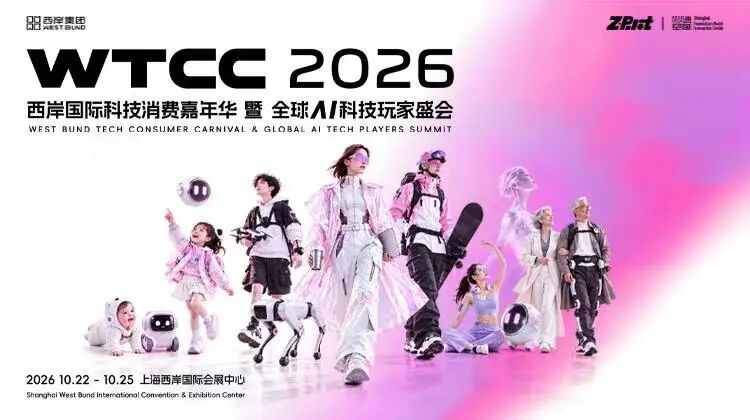
WTCC 2026 West Bund Tech Consumer Carnival poster
If AI can generate ten thousand rings, what would make you fall in love with one?
An original shape, exquisite details, or a story that only you truly understand?
As creating becomes easier, deciding what is worth creating becomes a harder question.
He also shared the stage with long-time friends Jiang Tao, CEO of Ziyou Liangji; Chen Yao, initiator of NextbyNEXT; and ROY, founder of Wanwushi. From algorithm research to the jewelry industry, Liu has remained focused on creation itself: once AI helps us produce more designs, how do we create work worth keeping?
1. When everyone can generate, taste becomes a scarce skill
Turning an idea into a design drawing once required professional training and time.
AI is lowering that barrier. Creators can explore shapes and styles faster, turning vague inspiration into visible proposals.
But more proposals do not make choosing easier. Why should a piece of jewelry have these proportions? Is a motif suitable for everyday wear? Beyond a striking first impression, is there a reason to love a design for years?
These judgments require an understanding of both beauty and people. As Liu Shuchun said in the interview:
‘AI lowers the barrier to creation, but raises the value of taste.’
AI expands what is possible. Taste — aesthetic sensibility and judgment — determines where a creator chooses to go.
The competition used to be about who could make a design. Increasingly, it will be about who knows what is worth designing.
2. The value of jewelry lives in people's stories
Why is one ring merely decoration while another is treasured for a lifetime? The difference lies in the meaning its owner gives it.
It may bear witness to a relationship, commemorate a turning point, or express a sense of identity.
For the KunYan team, this is the distinctive value of human creators: lived experience and the courage to break rules.
Light glimpsed on a journey, memories of a relationship, or a detail connected to home can all inspire a design. Creators draw on these experiences to decide what to keep, what to leave out, and even when to challenge established aesthetic conventions.
AI can help explore ways of expressing an idea, but creators must still answer why a work should exist. The more options AI generates, the more that answer matters.
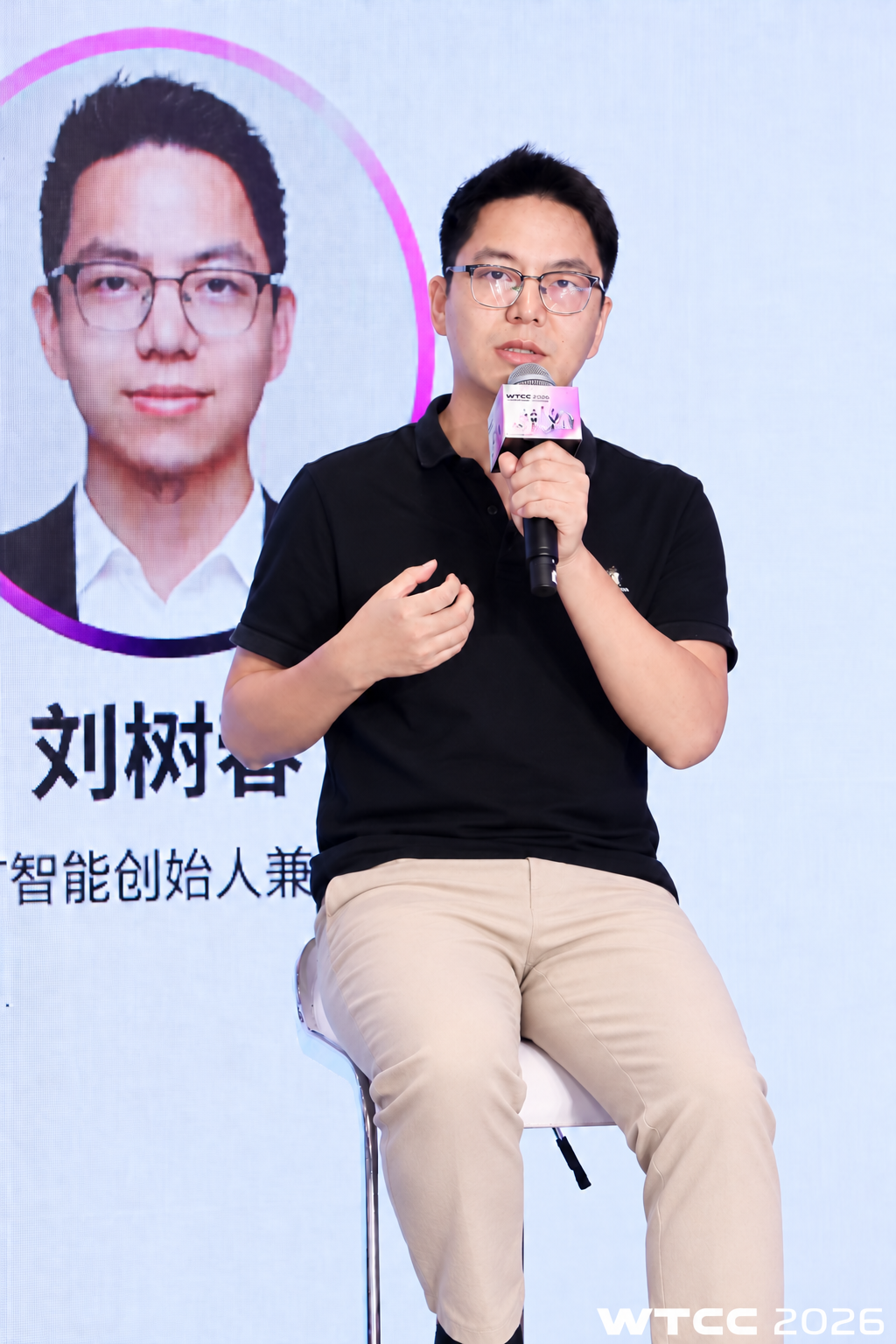
From technology exports to cultural resonance, the discussion returns to creators' judgment and expression
3. Eastern aesthetics require understanding the culture behind the motifs
Dragons, phoenixes, auspicious clouds, lotus flowers and Dunhuang are recognizable visual references when AI meets Eastern jewelry design. Yet assembling ‘Chinese-style elements’ is far from creating an Eastern design with a life of its own. Combining flying apsaras and lotus flowers can produce a Dunhuang-inspired proposal. Deeper creative work requires understanding the lines, colors, rhythms and spirit of Dunhuang art, then considering how they can belong in jewelry worn today.
Liu Shuchun believes three levels must connect:
Cultural understanding: understand the history, meanings and contexts of traditional motifs.
Contemporary aesthetics: find connections between traditional culture and modern life.
Making the design work: test it against structure, materials and the production process.
Cultural understanding and design innovation determine whether Eastern motifs become distinctive work. They also form the foundation of a design language for original Chinese creations reaching global audiences.
4. Chinese design must resonate with people around the world
Discussing how Chinese AI products can establish a lasting place in global markets, Liu emphasized understanding industry needs, expressing culture and aesthetics, and the ability to deliver through industry.
In jewelry, that means understanding how designers work, how brands become recognizable, and why a customer chooses a particular piece.
China has a strong manufacturing base and thousands of years of cultural heritage. AI can connect the two, opening more room to explore original design and new ways to express culture through products.
Ultimately, it is a specific piece that moves someone. Is it beautiful? Is it wearable? Does it express an emotion? Can people from different cultural backgrounds find a personal connection to it?
Helping the world appreciate Chinese design takes AI technology, aesthetic judgment and industrial capability working together.
To help more original Chinese designs be created, manufactured and appreciated around the world — that is the KunYan team's mission in jewelry and accessories.
From made in China, to created in China, to Chinese aesthetics.
It is a journey worth making together.
If AI could generate ten thousand pieces of jewelry for you, what would make you keep one?
Share your thoughts in the comments on the original WeChat article, and follow KunYan AI as we explore AI, jewelry design and Eastern aesthetics.
About KunYan AI
From inspiration to a finished product
KunYan focuses on applying AIGC to the jewelry industry. Its multimodal generation technology connects design, manufacturing and marketing in an intelligent creative workflow. The company has served brands including KJ Design and ONNEA, using AI to make design more efficient and support production at scale.

KUNYAN
Business inquiries: +86 135 2412 3160
Join the community for free trial credits
Source: KunYan AI on WeChat · Read the original Chinese article